
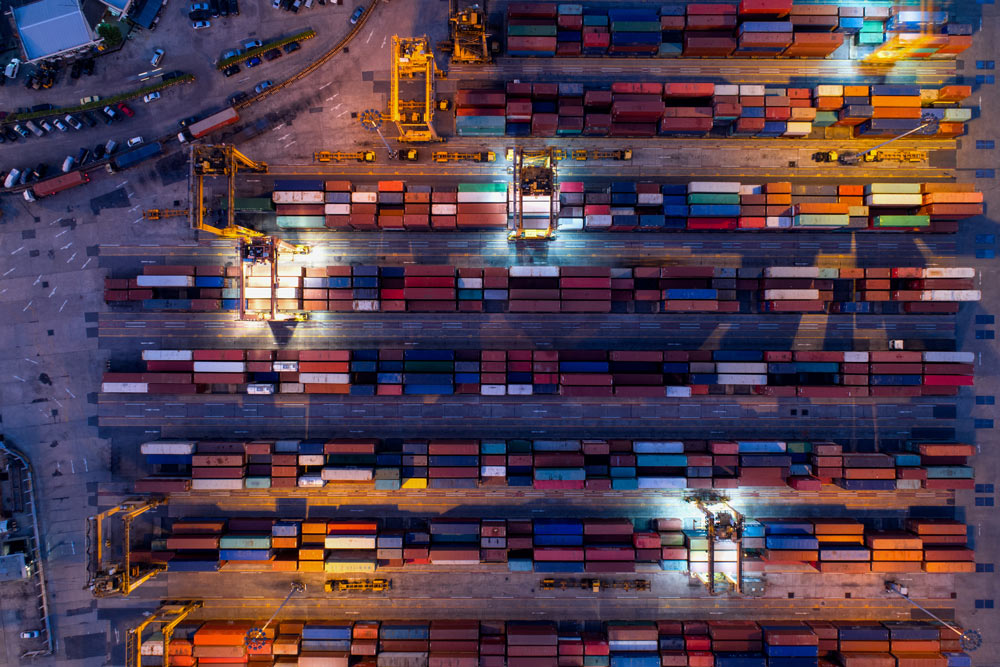
Container shipping through China is facing widespread disruption, with Shanghai, Ningbo, Yantian and Shekou among the ports experiencing the most significant congestion.
A combination of major storms and additional peak-season cargo has created growing backlogs across several important gateways. Vessel bunching is contributing to average waiting times of between three and five days, with longer queues occasionally reported at Shanghai. In response, some carriers have omitted Shanghai from selected service rotations.
Restrictions at terminals are creating further difficulties for transport operators. In some locations, export containers are only being accepted two or three days before the scheduled vessel departure. This is reducing the time available to arrange deliveries, while limited equipment availability is adding another layer of disruption.
Importers and exporters may face extended transit times, cargo being rolled or short-shipped and last-minute changes to vessel schedules. With significant volumes already awaiting shipment, disruption could persist after weather conditions improve and terminals return to normal operating levels.
The situation in China forms part of a much wider congestion problem. Approximately 1.7 million TEU of global fleet capacity is currently estimated to be tied up in vessels waiting outside ports at any given time. This represents around 5% of the world’s container capacity, compared with a pre-pandemic baseline of approximately 2%.
The greater use of ultra-large container vessels is placing additional strain on port infrastructure. With fewer calls being made on some service loops, terminals may now be required to discharge as many as 7,500 containers from one vessel. Only a few years ago, a typical call might have involved around 2,500.
Customers should book early wherever possible and allow additional time within their supply chain planning.
